Tabs

Saturday, November 17, 2012

Week 14 SAT Words

Rancor (n.) -deep, bitter feeling, ill-will; hostility.  In Scandinavian Mythology, and in a game that I play, Ragnarok is (second coming of Christ or Judgement Day)the final battle between good and evil. Ragnarok is one of the weapons in game, along with two others, Sanguine and Caladbolg. All three are weapons of mass destruction.
From Right: Ragnarok, Caladbolg, Sanguine

Recession (n.) - period of time where the economy falls; withdrawal or receding.  Currently the world is living in a time of depression, for it has been five years since the economic downfall. However, people continue to call it a "recession" because it gives a sign of hope for the economy to restore.

Reclusive (n) - a nonconformist that lives  against society, isolated or withdrawn.  Exclusive means to be VIP, rich, special, and famous, but REclusive means to be against exclusive.

Reconciliation (n) - that process of compromising after a quarrel.  Recon is another word for Reconnaissance, or resistance. Ciliation seems to me means something to do with stopping. How do you stop a resistance? Make compromises.

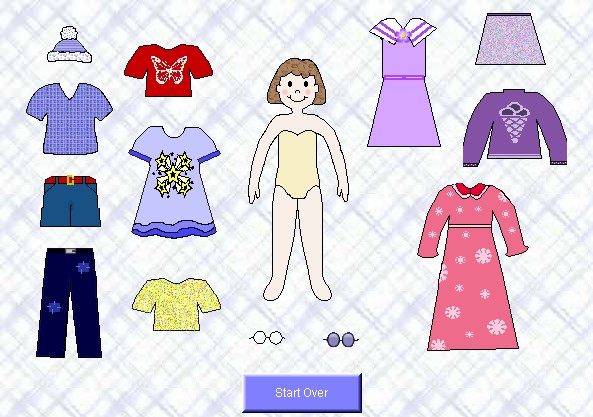
I did it and survived, I warn you, do not Google dress up
Redress (v) - to note, rephrase, or set right again.  To "re" address someone, or to literally dress someone up again.

Renovation (n) - process of restoring back into a better condition or state.  To renovate means to make something better.

Resilient (adj.) - quick to recover, springing back.  Resilient seems to resist, so once you do something to an object, it is resist, recoil, recover, or anything that is against you force applied onto the object.

Restrained (v) - to keep from, avoid.  Restrain me if you must, but I will not give in to write a definition to this word.

Rhetoric (n) - the techniques for using language effectively, eloquently, and persuasively.  Communications has taught me quite a number of ways to persuade people, it is extremely useful when comes to speeches and by learning about fallacies and how to speak properly, it is a addon to learn this word.

Romance (n) - a novel characterized by depicting characters with intent of love or idealized events.  When people go to Rome, or Paris, even large cities in Germany, basically Europe, which was controlled by the Roman Empire, they say how beautiful and romantic it is to be there.


Friday, November 9, 2012

Week 13 SAT Words

Pretentious (adj.) - characterized by showing importance; ostentatious.  If you are an average person, which I agree on average, most people are in the world, they seem to pretend to have the ability to do something or popularity. And they are very "pretend"tious.

Procrastinate (v.) - to delay unnecessarily.  The first time I heard this word, had a connotation of daydreaming, leading into a delay of time.

Profligate (adj.)shamelessly wasteful; immoral way of wasting.  In the early 1800s, during the Napoleonic wars, American, whom was neutral traded with the British and the French. They did not have large ships with large crews, for Jefferson had destroyed them, but had Frigates, which were fast, cheap, and produced in large quantities. These ships were constantly seized and attacked by the British. Although these ships were fast, they did sink.

Frigate on the Left, British ship on the right.
Mouse-over me!
Provocative (adj.) - ability to provoke, or persuade, stir up, anger, or annoy.  Provocatice is pronounced provo[ka]tive, not provo[sa]tive ot provo[kay]tive, another fine example of the annoying English language.

Prudent (adj.) - wise, judicious, cautious, or careful.  When people drive, it is prudent of them to not be prone to dent their cars, thus, being careful when they drive.

Pugnacious (adj.) - like to fight, quarrelsome, fond of fighting.  Pugs are really ugly and I dislike them, whenever I see one, I just have the tendency to kill one. (Over exaggerated).

Quadrant (n.) - a quarter of a circle; a specific area or part of something.  In math classes, involving graphing or any sort of solving polynomial equations, the first vocabulary you learn is the parts of the coordinate plane.

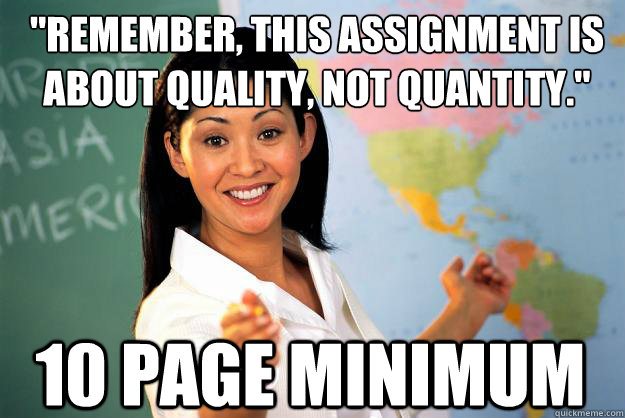
Quantitative (adj.) - existing in large quantities, numbers. Teachers often recite "quality, not quantity" when writing an essay to prove that the quality of something in worth more than the multiple numbers of another, in an essays case, more evidence, less repetition.

Querulous (adj.) - complaining, and irritating.  While I was typing this word out, I kept saying and typing querluous, instead of querulous, I is extremely annoying to press the backspace, type the wrong letters again, and press backspace continuously.
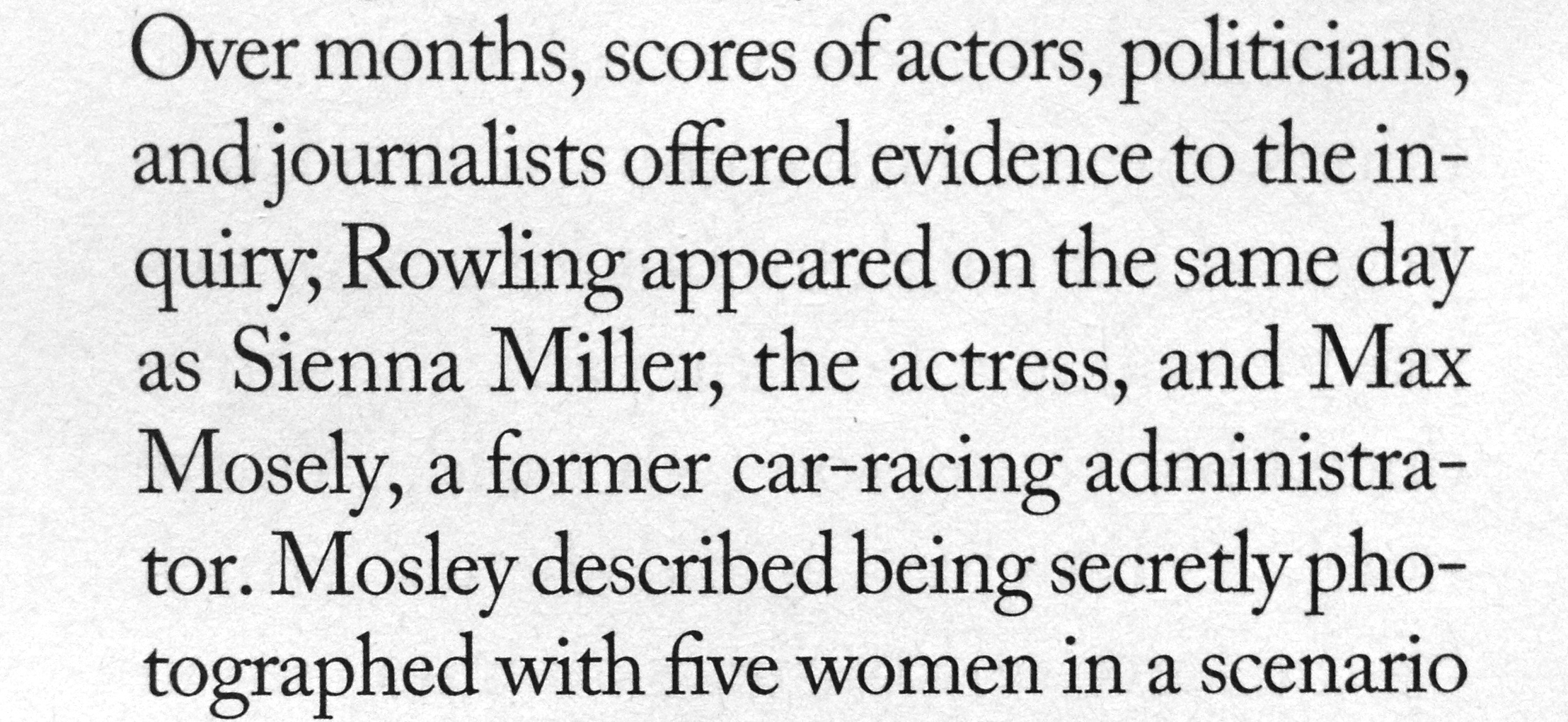
Mr. Mosely, not Mr. Mosley.

Quixotic (adj.) - impractical, unpredictable; resembling romantic emotions.  Firstly the word is impractical. Secondly, I see the word exotic in the word, meaning different or unorthodox.

Post-100 posts post

I soon came to realize that after accomplishing hours of blogging, posting, and completing blog-related assignments, that I Steven Tien have reached over 100 posts on Steven's Awesome Blog. However, I did not post this 100 posts post on the blog, thus I have returned to post this post-100 posts post onto the blog now. This post-100 posts post is an indication of diligence and memories throughout Freshman English I, Communications, and the early Sophomore year studies of English II. Here's to the post-100 posts post and to 100 more!


Sunday, November 4, 2012

Week 12 SAT Words


Novice (adj.) - beginner level. Playing videos games allow you to learn new words, such as novice, for playing the level makes the difference.

Obliged (v.) - required by law, command or constrain through necessary force. "Much Obliged" has a ring in the ear that is famililar somewhere that I do not remember. The only thing I can remember is the part where someone offers something good and another person replies: Much obliged.
Please let me through. Much Obliged.
Obtuse (adj.) - unsensitive or unobservant, unintelligent; slow at learning. An obtuse angle is an angle that is more than 90 degrees, therefore it takes more time for objects to turn more than 90 degrees and it is slow.

Omniscient (adj.) - aware, complete understanding or knowledge. Omni means all and scient I think is something to do with the mind and conscience. Therefore, it is all-knowing.

Onerous (adj.) - burdensome, troublesome, or oppressive. I hate the English language. onerous sounds exactly like honor-ous, and for something to be honor-ous, it usually takes someone to accomplish a very troublesome task.

Ostentatious (adj.) - showing, bragging, or impressing about one's wealth. For some reason, this word reminds me of ostriches, and the fact that they are very large birds. Therefore, large birds like to show off and mock the little one's for being small. But in the end, they cannot fly.
Parched (adj.) - extremely dry, thirsty. In the desert, National Geographic hosts always uses the word parched repetitively, especially Bear Grylls.

Penultimate (adj.) - next to the last, just before the final. There was a time where Papermate was the ultimate pen industry and everyone uses their pens, but now they are next to the last.
Poignant (adj.) - smells terrible; and affecting emotions. Angela taught me this word after I asked her what pungent means, and honestly, the word poignant sounds disgusting.

Precocious (adj.) - talented beyond one's age, mature. Pre indicated before, and cocious has something to do with age, perhaps conscience or brain maturity.

Sunday, October 28, 2012

Week 11 SAT Words


Longevity (n.) - long life
Long life, in long-evity. I also see the word eternity in longevity.
Malevolent (adj.) - wishing, or cursing someone, hostile; wishing evil. If a person is a male and violent, then they are malevolent. This is different from other definitions because this word refers to the desire for harm, not the actually harming someone.

Malignant (adj.)
- harmful, causing harm or suffering. Malignant cancers can spread into large and crucial organs, thus it is dangerous and harmful.
Mandate (n.) - command that is ordered through authority. Mandate has the word "man" and "date" in it, which can be interpreted to be like a man serving or ordered to do something in the specific time or date.

Meme (n.) - within a culture, an idea, behavior, or style that is used repetitively. Memes are everywhere, but I do not believe that everyone understands the meaning of it. However, the only thing that they understand about memes are the fact that they all are about me me me me me me me me me.

Mundane (adj.) - ordinary, banal. I see the word Sundae in Mundane, which are usually very tasty and delicious. However, changing "S" to "M" makes it boring, also that fact that Mundane sounds like Monday.

Nadir (n.) - lowest point; an extreme state of adversity. Not-a-dear, but an adversity. It also sounds like a Hindu word, for Nadir Shah, which has no relevance, but it can help me to remember this word.

Nefarious (adj.) - wicked and immoral. The first time I saw this word was at Dictionary.com's Word of the Day, and I have remembered it ever since. Also, it reminds me of the word infamous, for they have similar definitions and the a game I like called Infamous.

Nepotism (n.) - showing favoritism to a relative in order to bring them into power, especially in jobs. Ism makes the word sound like a practice of some sort, and Nepo sounds like Necro, or having to do with death. Due to the fact that it is not Necro, but Nepo, it makes the word sounds lively and happy with the family. Playing Favorites: TIMES Article

Nonchalant (adj.) - calm, casual, not caring.
Whatever chalant means, it sounds Frenchy and super sophisticated, in pronunciation and in French culture, thus, non-sophisticated-and-Frenchy-chalant means not complicated and calm, simple.

Tuesday, October 23, 2012

Are you a Psychopath or Sociopath?

Are you a Psychopath or Sociopath?
To answer this question, we must define what makes a Psychopath and a Sociopath.

Psychopath

Psychopath has the word Psych in it, and usually, this word means to do with the brain. Thus, we can infer that psychopaths have something to do with the brain and mental functions. In psychology, psychopaths are people whom do things without emotions, or in other words without caring about the morality of the task. Furthermore, Psychopaths have a tendency to do whatever they want in anyway possible (usually the most complex, but efficient) to get what they want. For example, large business owners are usually psychopaths because they will do anything to get rich. Not only that, they do not care how they do, or who they may affect if they do something this way. They are manipulative and can hide their emotions cleverly. They do not have random outbreaks and they are usually very manipulative and secretive. You cannot identify if a person is a psychopath or not.


Sociopath

Sociopaths has the word Social in it, and usually, this word means having to do with the environment and the people around you. Thus, we can infer that sociopaths have something to do with physical functions. In sociology, sociopaths are people that cannot control their emotions, or in other words they cannot control their reactions towards something. Furthermore, Sociopaths are people whom usually stands out, and can be easily identified. For Instance, children with abusive parents are usually sociopaths, because whatever their parents do to them, they may do it to other children or weaker children. They do not care about the consequences, for sociopaths, have tendencies to grasp immediate revenge on someone, usually aggressively. Sometimes, determining on the episodes of the person, sociopaths may regularly have outbreaks and get very excited to harm someone.

Sunday, October 21, 2012

Week 10 SAT Words

Jargon (n.) - language term particulary specified in a subject
Jargon sounds like dragon. However, since I am not a hardcore nerd and LOTR fan, I may not know the different types of dragon names and perhaps, one named Jargon. Part Jar part gon?
Come at me SAT!!!!!!

Jeopardy (n.)hazard, danger, risk
I know this word since the day that I played JEOPARDY! But what if I cannot remember? I would be in big trouble and one point will be taken off the quiz.

Jubilation (n.) - a feeling of great happiness or triumph
This word reminds me of the word juvenile, which means children. Although children are sometimes sad, most times, they are carefree individuals and they do not have such pressure put upon them. In other words, they are happy.


Judicious (adj.) - having to do with judges and being judged upon
The word judge can be found in the word judicious, so it has involovement with judges, pertaining law.

Jurisdiction (n.) - the power or authority one has over another involving the law
Jurisdiction also has the word judge in it (I can see it, don't ask), and diction usually refers to the state of having something (at least that's what I think), so Jurisdiction means the judge has something from you.

Kibosh (n.) - nonsense, stop from happening or developing
What kind of word is kibosh? Who uses this? The English word makers need to stop making these random and unusable words.
Why did they stop this program?!?!?!

Laconic (adj.) - using few words to express
It's either lack of "onic" (and somehow onic means words) or if someone is lactose intolerant, and drinks milk, with very few words, they should storm to the bathroom.

Languish (v.) - to become or get weak, feeble through grief
Languish has the word anguish in it, meaning suffering pain.

Largesse (n.) - generous gifts, in large quantities
Largesse has the word large in it and gesse reminds me of the word generous. Generous greatly.

Lethargy (n.) - state of feeling drowsy and lazy, dull and inactive
Lethargy seems like a misspelled leathery which is the kind of textile you would sleep on a car, especially my dad's, because it is super comfy.

Did you notice something in this blog post? Comment to reply!